
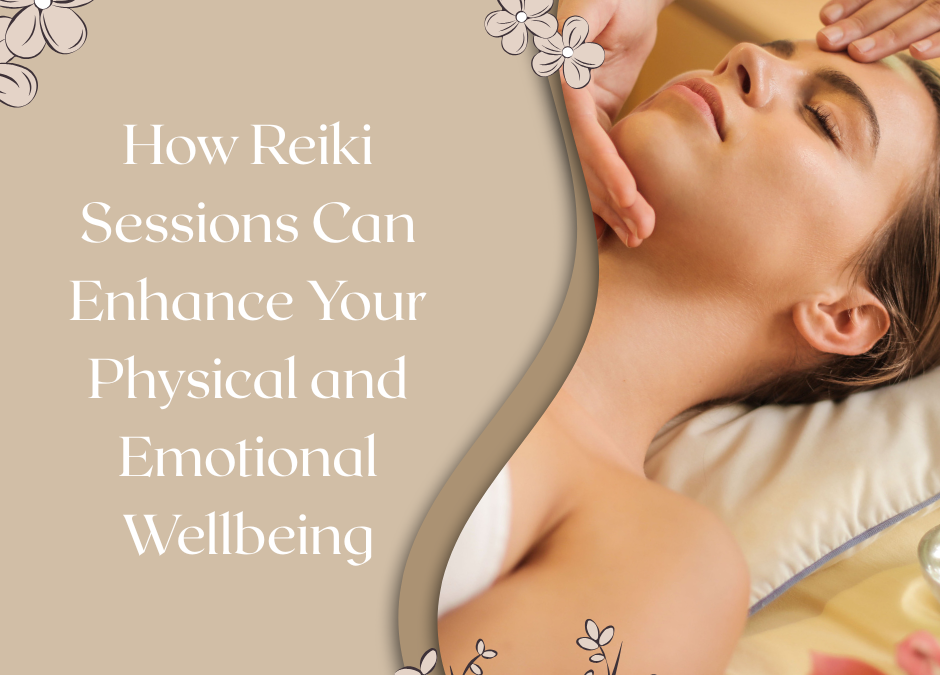
Benefits of a Reiki Practitioner
Many clients who seek out Reiki are curious about what it entails and how it works. This blog provides a simple overview of what to expect and the commonly reported benefits of a Reiki session. As a Reiki practitioner, I have personally experienced feeling more grounded, at ease, and rejuvenated after a session.
In recent years, more people are turning to holistic therapies to restore balance and reconnect with their inner calm. One increasingly popular approach is to work with a Reiki practitioner to support both physical and emotional wellbeing. When choosing a practitioner it is important to find a qualified person who makes you feel safe.
But how exactly can Reiki sessions make a difference? Let’s explore.
What Is Reiki?
Reiki is an energy healing technique originally developed in the early 20th century by Mikao Usui. A Reiki practitioner is skilled at providing a gentle, non-invasive healing technique focused on channeling energy. Mikao Usui coined the term “universal life force,” which flows through all living beings.
When a person is healthy and balanced, this energy moves freely through the body. However, if this energy gets blocked or becomes imbalanced, it can lead to stress, discomfort, and emotional dysregulation. For example, if clients report feeling tension or discomfort in their bodies before the session, this may indicate an energetic block that needs to be released.
During a traditional Reiki session, a Reiki practitioner connects with the universal life force and allows it to flow through their hands. There is typically a light touch (with the client’s permission) or the practitioner can hover just above the client’s body. The ultimate goal of a session is to allow the body to rest and release any blockages, promoting rejuvenation and enabling it to do what it naturally does in this state: repair itself.
Physical Benefits of Seeing a Reiki Practitioner
While Reiki is not a replacement for medical care, many people report noticeable improvements in their physical wellbeing after sessions. Some common benefits that clients report are:
1. Deep Relaxation
Many of us find ourselves in a “fight or flight” response throughout the day. A reiki practitioner creates a safe environment that allows clients to shift into a “rest and restore” state. This relaxed state helps the body heal and repair itself naturally.
2. Tension Relief
Clients frequently seek Reiki for support with headaches, back pain, joint discomfort, and general tension. By encouraging the flow of energy, a Reiki practitioner may help ease blockages that contribute to physical discomfort.
Some common reasons clients seek a Reiki session include headaches, back or joint discomfort, and general tension. A reiki practitioner helps by assisting the release of blockages that create these physical symptoms by directing the energetic flow towards the client.
3. Improved Sleep Quality
Clients often report feeling lighter and more at ease after a Reiki session. In turn, this helps improve clients’ sleep. Sleep becomes easier to maintain when the body is relaxed and energy is balanced.
How a Reiki Practitioner Enhances Emotional and Mental Wellbeing
Reiki has a strong impact on emotional health.
1. Emotional Release
On an energetic level, clients often hold stored emotions in their bodies, which manifest as emotional overwhelm or physical ailments. To help alleviate this discomfort, the reiki practitioner provides a welcoming, relaxing environment that enables a client to feel safe enough to release emotional blockages gently.
2. Reduced Anxiety and Overwhelm
The calming effect of Reiki sessions can significantly reduce feelings of anxiety. Clients often leave feeling lighter, clearer, and more grounded. Most clients report feeling less reactive throughout the week following a session.
3. Enhanced Clarity and Focus
When emotions begin to settle, mental clarity improves. Many people find that regular sessions help them make decisions more confidently and approach challenges with greater calm. Reiki practitioners often refer to these as tune-up sessions to keep your body operating at an optimal energetic level.
The Mind-Body Connection
Modern wellness approaches increasingly recognize the strong link between emotional and physical health. Reiki sessions address this connection holistically. By working with a reiki practitioner, you’re not just targeting symptoms—you’re supporting your entire energetic system.
When the body relaxes and the mind quiets, the natural healing response becomes more accessible. This integrated approach can complement other wellness practices such as meditation, yoga, and traditional healthcare.
What to Expect During a Session
If you’ve never worked with a Reiki practitioner before, you might be curious about what happens during a session.
- You remain fully clothed.
- You typically lie on a comfortable treatment table.
- The practitioner gently places their hands on or slightly above specific areas of the body.
- Sessions usually last 30–60 minutes.
Many people experience warmth, tingling sensations, or a floating feeling. Others feel deeply relaxed. Each experience is unique.
Is Reiki Right for You?
Reiki is suitable for people of any background and belief systems. Working with a qualified Reiki practitioner can add a supportive component to any wellness routine by helping mitigate stressors, emotional shifts, or physical discomfort.
Consistency is key to self-care maintenance. Some clients prefer doing weeklysessions. This is especially true during stressful periods, to ensure a sense of balance and ease.
Final Thoughts
A Reiki practitioner provides a powerful yet soothing way to give yourself time to relax and recharge. Wellbeing goes beyond simply looking at symptoms and instead nurtures the Totality of who you are.
If you frequently experience emotional burnout or physical tension, a gentle Reiki session is what you need to restore balance.
If you are interested in Reiki services and would like to learn more, book a free consultation today through Totality Healing.